Nature & Wildlife
Have You Ever Seen a Forest Glow? Discover Fireflies in Nepal
Himal Shahi Thakuri · Oct 25, 2026 · 5 min read
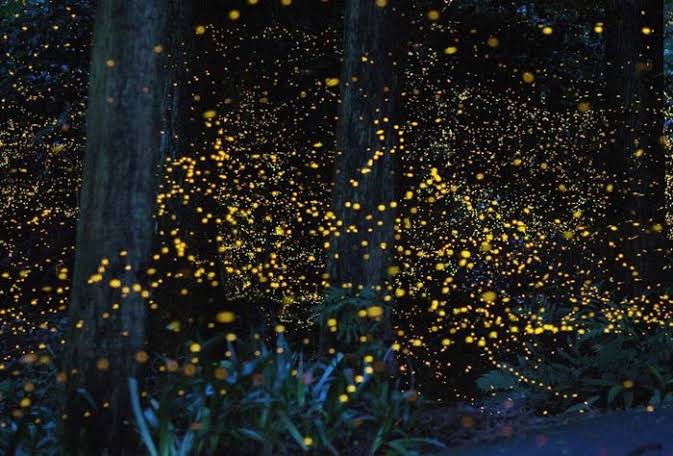
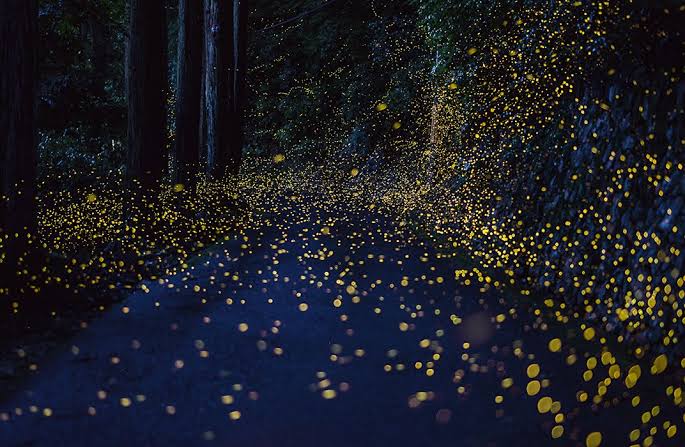
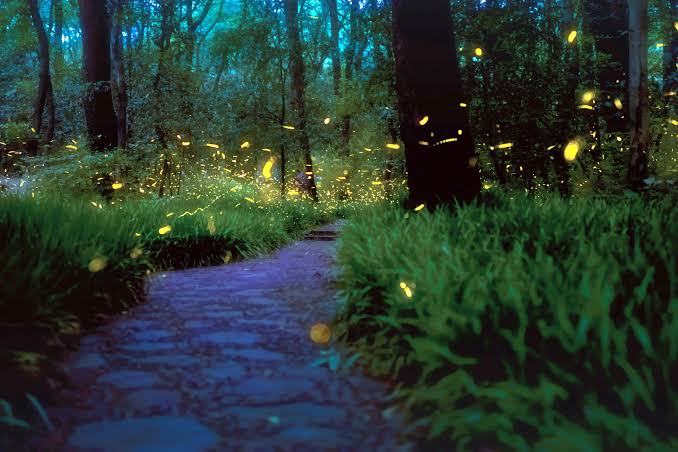
Have you ever imagined walking through a forest where tiny lights flicker between the trees like stars scattered across the ground? This beautiful natural phenomenon is created by fireflies, small insects known for their remarkable ability to produce light.
Nepal is famous for its Himalayan mountains, rich wildlife, tropical forests, and diverse landscapes. But after sunset, nature offers another fascinating world that many travelers may overlook. In suitable habitats and seasons, fireflies can add a magical glow to the nighttime landscape.
What Are Fireflies?
Fireflies are beetles belonging to the family Lampyridae. Although they are commonly called flies, they are not true flies.
Their light comes from a natural process called bioluminescence. A chemical reaction involving luciferin, oxygen, and the enzyme luciferase produces light inside specialized organs in their bodies.
Fireflies use their flashes for communication, especially to attract potential mates. Different species can produce different flashing patterns, making their nighttime displays fascinating to observe.
Unlike many artificial lights, firefly light produces very little heat. This makes their glowing ability an extraordinary example of nature’s efficiency.
Can You See Fireflies in Nepal?
Yes, fireflies occur in Nepal, although sightings depend on the species, habitat, weather, season, and local environmental conditions.
Nepal’s varied landscapes include subtropical forests, river valleys, grasslands, agricultural areas, and humid woodland environments that may support fireflies.
Areas with vegetation, moisture, limited artificial lighting, and relatively undisturbed habitats can be promising places to look. However, seeing fireflies is never guaranteed, and not every forest will have a visible display.
If you are visiting Nepal and hope to see them, ask local naturalists, wildlife guides, or community members whether fireflies have recently been observed in the area.
Where Might You Look for Fireflies in Nepal?
1. Chitwan and the Terai Region
The subtropical landscapes of Nepal’s Terai include forests, grasslands, farmland, and river corridors. Some of these habitats may support fireflies, particularly where vegetation and moisture are present.
Around Chitwan, visitors can explore the region’s natural environment with knowledgeable local guides. If fireflies are active nearby, a quiet evening in a suitable habitat may offer an opportunity to observe them.
Remember that firefly sightings are different from regular jungle safari sightings, and their presence should be confirmed locally.
2. Forests and Rural Landscapes
Outside busy towns, some rural areas have darker nights and less artificial lighting. Gardens, forest edges, damp meadows, and areas near vegetation may provide suitable habitats for certain firefly species.
Always seek permission before entering private land, and never enter protected areas or forests at night without following local regulations and appropriate safety guidance.
3. Humid Areas During Suitable Weather
Firefly activity varies by species. Warm, humid conditions may favor activity for some species, but the best time and location depend on local conditions.
Ask people who live in the area whether they have noticed fireflies recently rather than relying on a fixed nationwide firefly season.
When Is the Best Time to See Fireflies?
There is no single confirmed firefly season for all of Nepal. Different species and locations can have different periods of activity.
In many parts of the world, fireflies are most noticeable during warmer months, often around the rainy season or periods of high humidity. This pattern can be useful as a general clue, but it should not be treated as a guaranteed calendar for Nepal.
For the best chance of seeing them:
* Visit a suitable natural area after sunset. * Choose a dark evening with minimal artificial lighting. * Ask local guides about recent sightings and seasonal activity. * Allow your eyes time to adjust to the darkness. * Be patient, quiet, and respectful of the environment.
Why Do Fireflies Glow at Night?
The glow of a firefly is more than just a beautiful sight. It plays an important role in the insect’s life.
Many fireflies use light signals to find mates. Their flashes can communicate information about their species and reproductive readiness. In some species, light may also help warn predators that the insects are unpalatable.
Each flash is part of a complex biological communication system that scientists continue to study.
Watching fireflies can therefore be both a memorable travel experience and an opportunity to appreciate the science behind the natural world.
Why Fireflies Matter to the Environment
Fireflies are valuable members of natural ecosystems. Depending on the species and life stage, their larvae may feed on snails, slugs, or other small invertebrates, while adults have varied feeding habits.
Their presence can also be affected by changes in their surroundings. Habitat destruction, pesticide use, wetland loss, and excessive artificial lighting are recognized threats to fireflies in different parts of the world.
Protecting vegetation, maintaining natural water systems, reducing unnecessary lighting, and limiting harmful chemical use can help conserve suitable habitats.
A healthy environment benefits not only fireflies but also birds, amphibians, insects, and many other forms of wildlife.
How to Observe Fireflies Responsibly
If you are lucky enough to encounter fireflies in Nepal, remember that the experience is about observing nature rather than disturbing it.
* Avoid catching or handling fireflies. * Do not use flash photography or bright torches directly on them. * Stay on permitted paths and follow your guide’s instructions. * Never leave litter behind. * Avoid pesticides and activities that damage their habitat. * Keep noise and artificial lighting to a minimum.
Responsible wildlife observation helps protect the natural experience for future visitors and local communities.
Experience a Different Side of Nepal
Many travelers come to Nepal for mountain trekking, cultural heritage, wildlife safaris, and beautiful landscapes. Yet some of the most memorable natural experiences are small and easily overlooked.
A firefly flashing among the trees reminds us that nature has its own way of creating beauty. You do not always need a mountain summit or a famous viewpoint to discover something extraordinary.
Sometimes, all you need is a quiet evening, a little patience, and a dark place where nature can reveal itself.
Have you ever seen fireflies in Nepal? Share your experience and tell us where you spotted them. Your observation may help other nature lovers discover this fascinating part of Nepal’s wildlife.
Explore more nature, wildlife, and travel stories with Everest Blog.
Wildlife note: Firefly sightings vary by location and season. The locations mentioned here are places to investigate, not confirmed firefly-viewing destinations. Check recent local observations before planning a special trip.