Trekking & Adventure
Everest Base Camp Trek: Complete Guide to the Route, Cost, Best Time and Permits
Himal Shahi Thakuri · Oct 25, 2026 · 10 min read
The plane to Lukla is small, loud and a little frightening. The runway is short and slopes uphill, with a mountain at one end and a drop into the valley at the other. When the wheels touch down and the engines go quiet, you step out into thin, cold air, and someone is already tying prayer flags nearby.
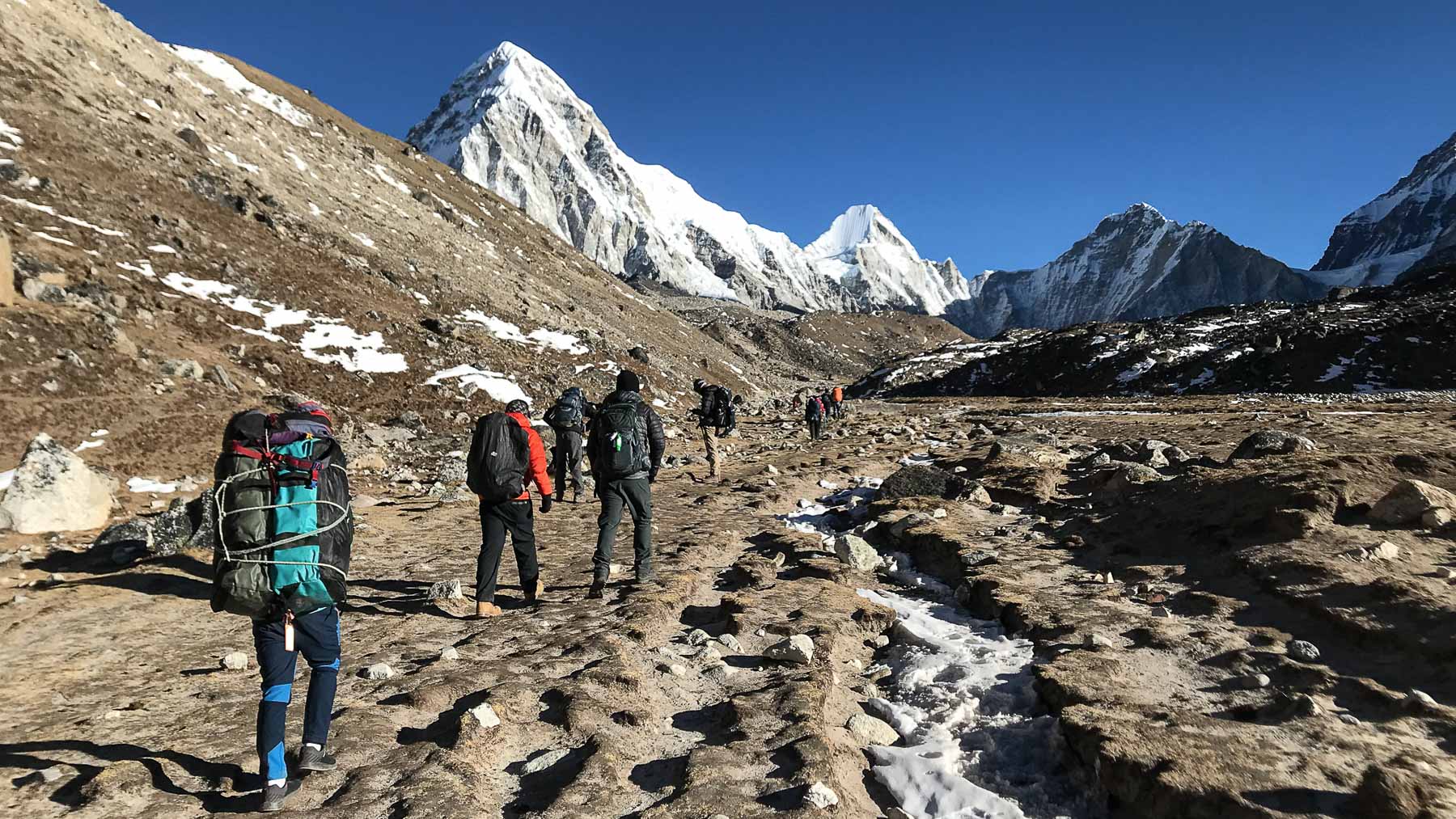
That is how the Everest Base Camp trek begins. Over the next twelve days or so, you will cross swinging bridges, climb through pine and rhododendron forest, stay in Sherpa villages and walk up into a world of ice and rock. There is no technical climbing and no ropes. It is a walk, but a long, high and unforgettable one.
What Is the Everest Base Camp Trek?
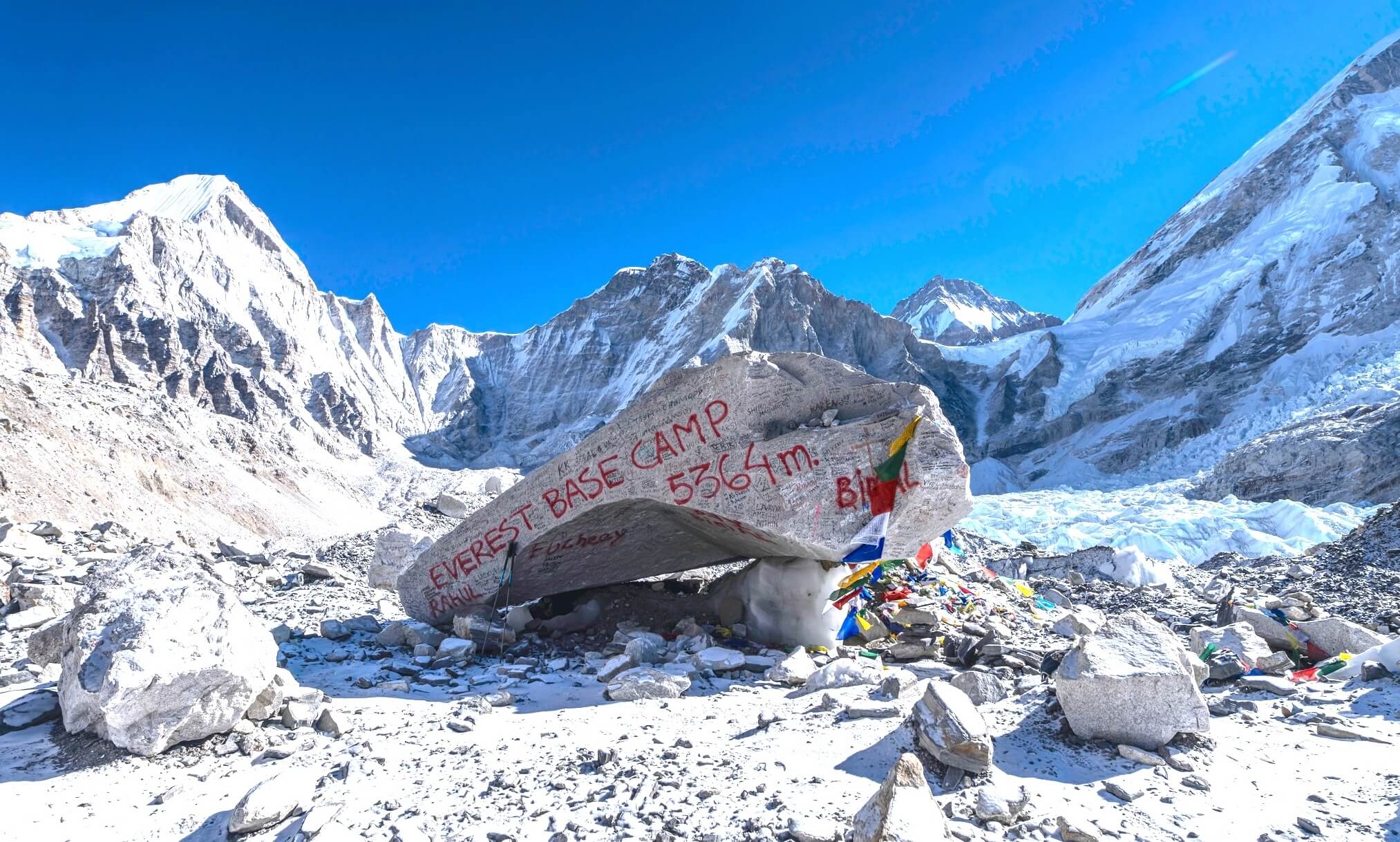
The Everest Base Camp trek, often called EBC, follows the Dudh Koshi valley through Sagarmatha National Park, deep in the Khumbu region of northeastern Nepal. Base camp itself sits at about 5,364 meters (17,598 feet), at the foot of the Khumbu Icefall, where climbers start their attempts on the world’s highest mountain. Everest stands 8,848.86 meters tall.
The round trip is roughly 130 kilometers, and most people take 12 to 14 days, with about nine of them spent walking. You sleep in teahouses, simple mountain lodges, so you do not need to carry a tent or cook your own food.
A small secret: from base camp you can’t actually see Everest. The view is blocked by the surrounding peaks. The famous close-up photos are taken from Kala Patthar (5,644 meters), a black rocky hill above the village of Gorak Shep, usually climbed at sunrise or sunset. For many trekkers, this is the real summit of the trip.
The Route, Day by Day
Every itinerary is a little different, but the classic route looks like this.
Day 1: Fly to Lukla (2,840 m) and walk to Phakding (2,610 m). A short, gentle first day through pine forest along the river. Easy walking helps your body settle in.
Day 2: Phakding to Namche Bazaar (3,440 m). The first hard day. You cross several suspension bridges, including the famous high one near Namche, and climb steeply into the “capital” of the Sherpa world.
Day 3: Rest day in Namche. Do not skip it. Walk up to the Everest View Hotel or the Sherpa museum for views, then come back down to sleep. Namche has bakeries, outdoor gear shops, coffee and cafes. It feels surreal at this height.
Day 4: Namche to Tengboche (3,860 m). A walk through forest with views of Ama Dablam, the most beautiful peak on the trail. Tengboche has the region’s biggest monastery, where monks chant in the evening.
Day 5: Tengboche to Dingboche (4,410 m). Above the tree line, the land turns open and windswept, with stone walls and yak pastures.
Day 6: Rest day in Dingboche. Another acclimatization day, with a short hike up Nangkartshang Peak or toward Chukhung for more height and better views.
Day 7: Dingboche to Lobuche (4,910 m). You pass memorials to climbers who died on Everest, lined with prayer flags. It is a quiet, emotional stretch.
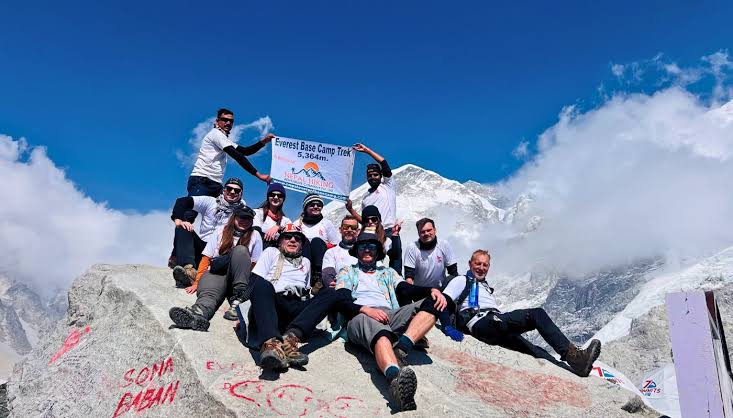
Day 8: Lobuche to Gorak Shep (5,164 m) and Everest Base Camp (5,364 m). A long day. You walk along the glacier moraine to base camp, usually crowded with tents in spring. Then you return to Gorak Shep to sleep.
Day 9: Kala Patthar sunrise and back to Pheriche or Pangboche. Climb Kala Patthar early, when the light is gold, then begin the descent. The air gets thicker and your legs feel stronger with every step down.
Days 10 to 12: Return to Lukla. The way back is faster, since you are acclimatized, and you can often cover in two or three days what took a week on the way up. Then comes the flight back to Kathmandu.
The Biggest Risk: Altitude Sickness
Almost everyone feels altitude in some form, so take it seriously. The cause is not fitness. Young, strong athletes get altitude sickness, and slow older trekkers often manage better. What matters is how slowly you climb.
Acute Mountain Sickness (AMS) usually shows up as a headache, nausea, dizziness, poor sleep and loss of appetite. Mild symptoms are common. The warning signs of serious trouble are a headache that gets worse, confusion, trouble walking in a straight line, a wet cough or breathlessness at rest. These can signal dangerous conditions of the brain or lungs. If symptoms get worse, go down immediately. Do not continue upward.
Simple habits help a lot:
Go slowly. Guides say “bistari, bistari” (slowly, slowly) for a reason. Follow the rule “climb high, sleep low”: go up during the day and come back down to sleep when you can. Keep your sleeping altitude rising by only a modest amount each day above 3,000 meters, and do not skip rest days. Drink plenty of water, around three to four liters a day, and avoid alcohol. Talk to a doctor before the trip about medication such as acetazolamide (Diamox). It is not a replacement for acclimatizing.
Your guide, if you have one, will monitor you. Many also carry a small device to check oxygen levels. Use it, but remember that how you feel matters more than any number.
Best Time to Trek to Everest Base Camp
Spring (March to May) is a favorite. Rhododendrons bloom in the lower valleys, days are warm and the base camp is full of climbers preparing to summit. April and early May are the busiest, with the best atmosphere.
Autumn (late September to November) is the other classic window. The monsoon has washed the sky, the air is crisp, and mountain views are at their sharpest. October is the most popular month, and the trails and teahouses fill up, especially around the Dashain and Tihar holidays.
Winter (December to February) is quiet and beautiful but very cold. Nights at altitude can drop far below freezing, some teahouses close and snow can block high sections.
Monsoon (June to August) brings rain, cloud, leeches in the lower forest and flights that get cancelled. The valley turns bright green, but mountain views are limited. Not recommended for most first-timers.
The simple answer: late March to early May, or late September to November.
Permits You Need
Trekkers in the Everest region need two permits:
Sagarmatha National Park entry permit: around NPR 3,000 per person. Khumbu Pasang Lhamu Rural Municipality permit: a local entry fee that has replaced the old TIMS card in this region, with reported prices from roughly NPR 2,000 to 3,000.
Together this comes to roughly US$ 45 to 55 at current rates, though different sources quote slightly different numbers. The park permit can be bought in Kathmandu or at the Monjo checkpoint, and the local permit is sold in Lukla or along the trail. Your trekking agency usually handles all of this for you. Rules, fees and checkpoints change, so confirm the latest details with your agency, the Nepal Tourism Board or the park office before you go.
How Much Does the Everest Base Camp Trek Cost?
The cost depends on how you travel, but here are realistic ranges.
Package trips (guide, porter, lodging, meals, permits and often the Lukla flights) commonly run from about US$ 1,200 to 1,600 for a basic package to well over US$ 2,500 for comfort-focused trips, and much more for luxury or helicopter options.
Independent trekking can cost less, but you pay for pieces yourself:
Flights Kathmandu to Lukla and back: one of the biggest expenses. Fares change often and can run into the hundreds of dollars round trip. Guide: roughly US$ 25 to 40 per day. Porter: roughly US$ 20 to 25 per day, carrying about 20 to 25 kg. Food and lodging: rooms are cheap, but meals and extras get more expensive the higher you go because everything is carried up by porters, yaks or helicopters. A cup of tea or coffee can cost a few dollars. Hot showers, battery charging and Wi-Fi are often extra. Insurance: essential. Choose a policy that covers trekking up to at least 6,000 meters and helicopter evacuation. Gear: buy or rent in Kathmandu’s Thamel district, where rental is cheap.
Always carry cash in Nepali rupees for the trail. ATMs in Lukla and Namche are unreliable, and many teahouses accept only cash.
About the Lukla Flight
The flight is half the adventure. Lukla’s airstrip is among the most famous in the world, and flights depend on weather. Morning flights go when clouds are low, and delays of a day or more are common. During the busiest months, flights have often left from Ramechhap (Manthali), a few hours’ drive from Kathmandu, rather than from Kathmandu itself. This is a recurring arrangement, so confirm the departure airport with your agency.
Tip: keep two or three spare days in your schedule at the end of the trip, especially if you have an international flight home.
What to Pack
Think layers, not bulk. Temperatures can swing from warm sun at midday to very cold after dark.
Footwear: broken-in waterproof trekking boots and warm socks. Never start a trek in new boots. Clothing: base layers, a warm fleece or light down jacket, a heavy down jacket for the higher camps (rentable in Kathmandu), a waterproof shell, a warm hat, gloves and sun hat. Sleeping: a four-season sleeping bag helps, since teahouse rooms are unheated. Blankets are provided, but they are not always enough. Essentials: sunglasses with strong UV protection, sunscreen, lip balm, headlamp, trekking poles, a water bottle and purification tablets or a filter. Health: a basic first-aid kit, blister plasters, pain relief, rehydration salts and any personal medication. Extras: a power bank (charging costs money and it is cold on the trail), toilet paper, wet wipes and a small towel. What the Trail Feels Like
Photos do not prepare you for the sound. It is the clang of yak bells, the flapping of prayer flags, the low rumble of an avalanche across the valley and the soft om mani padme hum chanted from a monastery.
You will meet Sherpa families whose ancestors came to this valley from Tibet centuries ago, and who now guide climbers, run lodges and carry gear up the mountain with extraordinary strength. Respect their culture: walk to the left of mani walls and stupas, which means keeping the structure on your right as you pass, do not touch prayer wheels with dirty hands and ask before taking photos of people, especially at monasteries.
You will also share the path with yaks and porters carrying huge loads. Always step to the uphill side when they pass, never the cliff side.
And be ready for the little things: shared dining rooms heated by a yak-dung stove, games of cards at night, strangers who become friends, dal bhat meals that keep you going and cold mornings when the sun finally hits the peaks.
Is the Everest Base Camp Trek Hard?
It is not technical, but it is demanding. You will walk five to eight hours on some days, and the thin air makes everything slower. Most reasonably fit people can do it with good preparation. Start training a few months ahead with long hikes, stairs and cardio, and practice walking with a loaded daypack.
The mental side matters too. Cold nights, simple food and tiredness at altitude test patience. People who treat it as a journey, not a race, usually have the best time.
Responsible Trekking
The Khumbu is both a fragile environment and someone’s home. Carry out what you can, avoid single-use plastic bottles by using filtered water, and never leave rubbish on the trail. Hire local guides and porters, make sure they have proper clothing, insurance and weight limits, and tip fairly at the end. Stay in locally owned teahouses and eat where your money supports the village.
Final Thoughts
Many people say that reaching base camp is a little anticlimactic. A pile of rocks, a field of tents, a glacier, a flag. Then they say it was one of the best experiences of their lives.
That is because the trek was never only about the destination. It is about the first night in Namche, the sun on Ama Dablam, a quiet moment beside a prayer wall and the feeling, at the end, that you are a little stronger than when you started. If you have ever wondered whether you could do it, you probably can. Just go slowly.