Festivals
Dashain: Nepal’s Biggest Festival of Victory, Family and Blessings
Himal Shahi Thakuri · Oct 25, 2026 · 6 min read
When the monsoon clouds clear and golden rice fields sway under a crisp autumn sky, Nepal begins to change. Markets fill with goats, marigolds and new clothes. Buses overflow with people heading home. Kites appear in the sky and bamboo swings rise in village courtyards. This is Dashain, the biggest and most awaited festival in Nepal, a celebration of good over evil, of family reunion and of blessings passed from one generation to the next.
What Is Dashain?
Dashain, also called Bijaya Dashami or Vijaya Dashami, is a major Hindu festival celebrated by millions of Nepalis at home and abroad. It is the longest national festival in the country and lasts fifteen days, beginning on the bright half of the lunar month of Ashwin (usually September or October) and ending on the full moon. The festival’s peak is the tenth day, Vijaya Dashami.
Although it has Hindu roots, Dashain is celebrated across many communities in Nepal. Schools, offices and government institutions close for several days, which makes it a national occasion rather than only a religious one.
The Meaning Behind Dashain
Dashain celebrates the victory of good over evil, and two stories explain why.
The first is the story of the goddess Durga, who defeated the buffalo demon Mahishasura after a fierce battle. The festival honors her as Shakti, the divine feminine power that protects the world.
The second is the story of Lord Rama, who is believed to have defeated the demon king Ravana. Many families remember this victory as well, and the tenth day is seen as the triumph of truth and righteousness.
The Fifteen Days of Dashain
The festival unfolds in stages, and each important day has its own meaning.
Ghatasthapana: The First Day
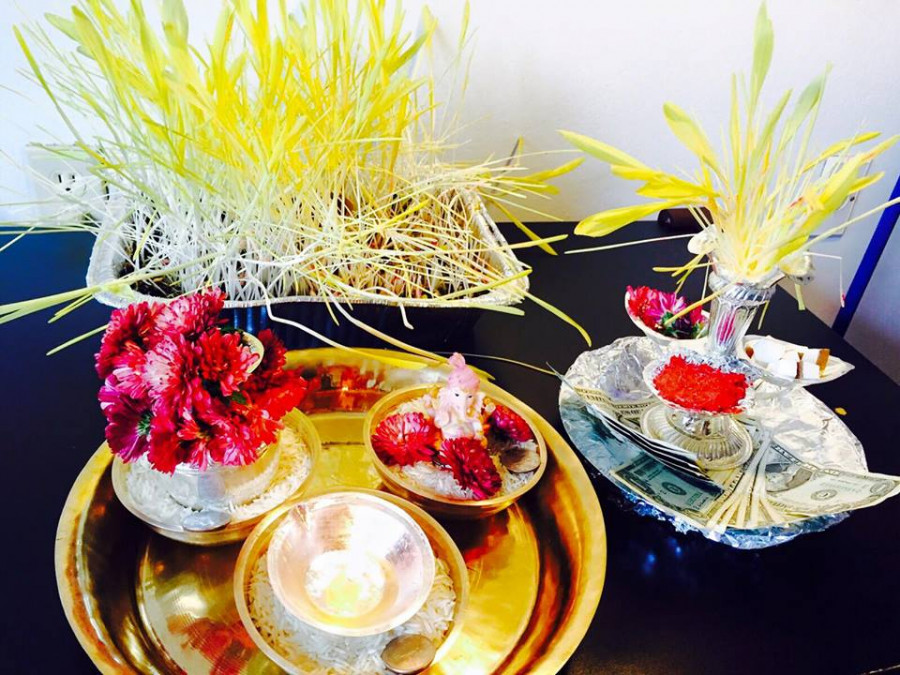
Dashain begins with Ghatasthapana. Families set up a sacred kalash (water pot) in a clean room, often the prayer room, and invoke the goddess Durga. The pot is surrounded by sand in which barley seeds are sown. This is the beginning of the jamara, the sacred yellow-green barley shoots that will be worn as a blessing on the tenth day. The jamara is watered daily and guarded with devotion.
Fulpati: The Seventh Day
On Fulpati, sacred flowers, leaves and the jamara are carried in a ceremonial procession. Historically, this offering travels from Gorkha to the Kathmandu Valley, and the arrival at the old royal palace area at Hanuman Dhoka is a major cultural moment. Families also bring in the nine plants associated with the goddess’s nine forms.
Maha Asthami: The Eighth Day
Maha Asthami is dedicated to the powerful form of the goddess. Temples and shrines see large crowds, and devotees offer prayers and sacrifices. Many families make offerings at home, and the day is marked by special worship and feasting.
Maha Navami: The Ninth Day
On Navami, the goddess Durga is worshipped in her full strength. Tools, vehicles and instruments are traditionally worshipped as well, thanking them for their role in daily life. Temples such as Taleju in Kathmandu are opened to the public on this day.
Vijaya Dashami: The Tenth Day
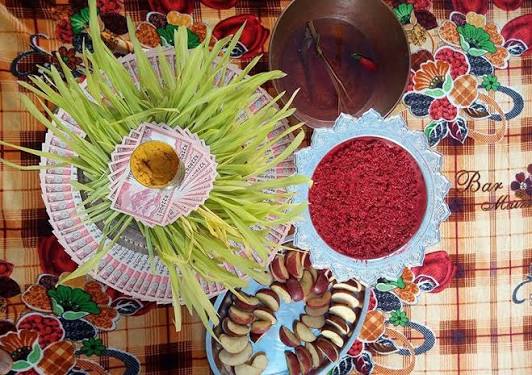
This is the day everyone waits for. After morning prayers, families gather in their best clothes, and the eldest member prepares the tika, a mixture of rice, yoghurt and red vermilion. The elder then places it on the forehead of younger relatives and adorns their heads with jamara, offering blessings for health, long life and prosperity. Younger members bow to touch the elders’ feet, and the elders often give dakshina, a small gift of money.
Kojagrat Purnima: The Fifteenth Day
The festival closes on the full moon day, when the goddess Laxmi is worshipped. Families stay awake through the night, believing the goddess of wealth visits homes that are awake. Tika-giving continues through these last days as relatives visit one another.
Tika and Jamara: The Heart of Dashain
If one tradition defines Dashain, it is the tika and jamara. The red tika is a symbol of divine blessing, and the jamara is a symbol of growth and fresh life. The ritual connects generations and strengthens family bonds, and the blessing is meant to protect, guide and bring good fortune to the young.
For many Nepalis, receiving tika from parents and grandparents is the most emotional part of the year. Those who live abroad often travel home just for this day, and families who cannot meet share blessings over video calls.
Food, Feasting and Family
Dashain is also a festival of generous meals. Goat meat (khasi ko masu) is the traditional centerpiece in many Hindu households, shared widely after the festival’s offerings. Alongside it you will find rice, lentils, fresh vegetables, pickles and sweets such as kheer (rice pudding) and sel roti, a ring-shaped rice bread. Many families also practice vegetarian offerings, and each community adds its own recipes and customs.
In the Newar community, the festival is known as Mohani and includes special feasts and rituals. Newar communities in Bhaktapur and Kathmandu are famous for their mask dances and processions during this period.
Swings, Kites and Cards
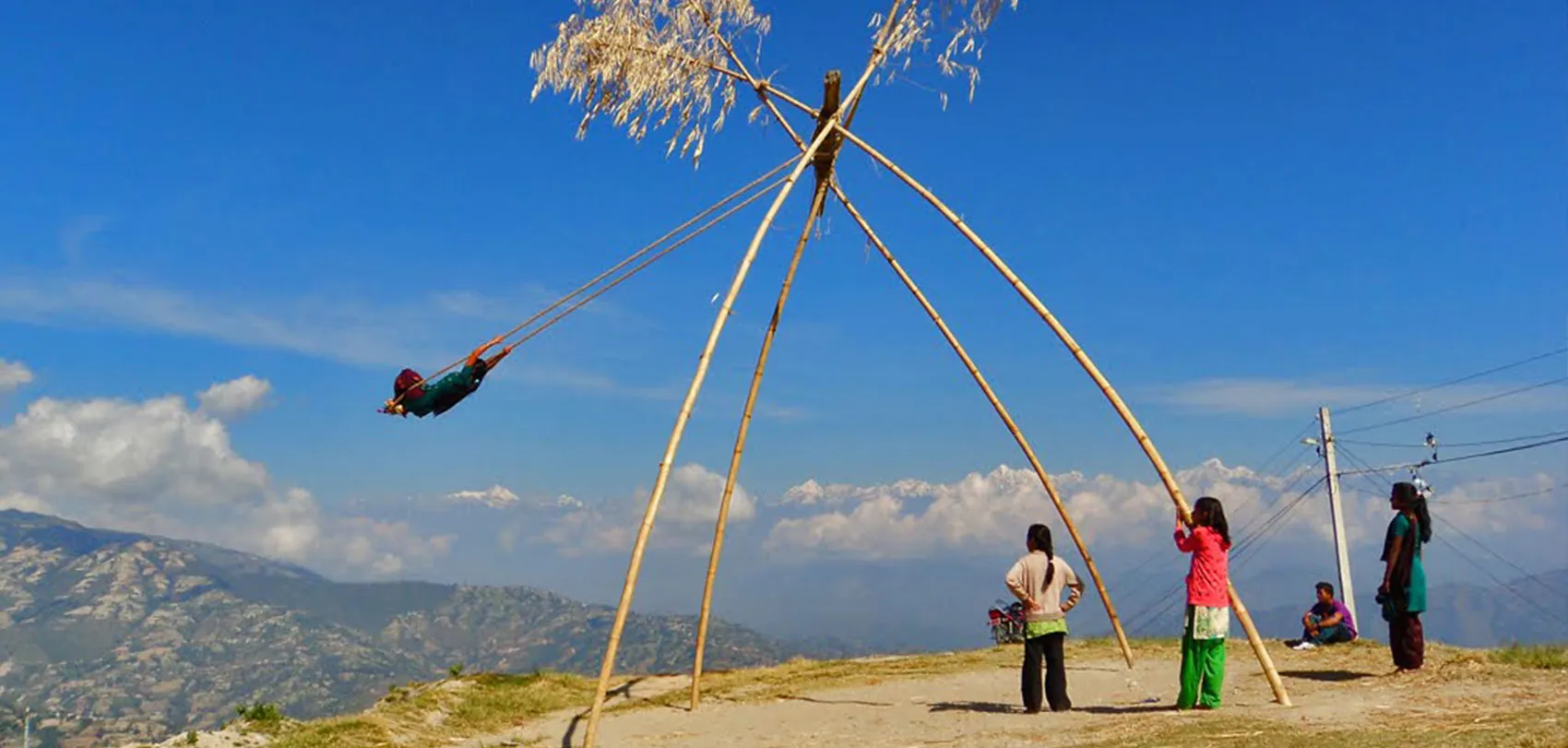
Dashain is not only about ritual. It is also about play. Villages build tall bamboo swings, called ping, and people of every age take turns swinging above the ground. In cities and towns the sky fills with colorful kites as children and adults compete to cut each other’s strings. Families also play card games together in the evenings, a tradition many people remember fondly from their childhood.
New Clothes, Travel and Reunion
Buying new clothes for the family is a long-standing custom, and markets are busy for weeks before the festival. Millions of people travel from cities to villages, and migrant workers return from abroad. Transport is crowded, tickets are hard to find and yet the journey is considered worth every difficulty. Dashain is, above all, a festival of coming home.
Dashain Around the World
Nepali communities in India, the United Kingdom, the United States, Australia, the Gulf countries and beyond celebrate Dashain with temple gatherings, cultural programs and family tika ceremonies. For the diaspora, the festival is a link to the homeland and a way to pass traditions on to children born far from Nepal.
Dashain Today: Tradition in a Changing Nepal
Dashain has adapted to modern life. Online shopping, digital greetings and video calls have joined the old customs. At the same time, many people are rethinking some practices, with growing conversations about animal welfare and sustainable celebration, while others emphasize the festival’s values of forgiveness, respect and generosity. Whatever the form, the heart of Dashain remains the same: gratitude, family and hope.
Tips for Visitors During Dashain
If you visit Nepal during Dashain, plan ahead. Many shops, offices and some transport services slow down or close during the main days, and travel around the festival is very busy, so book buses and flights early. Be respectful at temples and family gatherings, ask before taking photographs of rituals and dress modestly. If you are invited to a family home, accept with gratitude. It is a rare chance to experience real Nepali hospitality.
Why Dashain Matters
Dashain is more than a holiday. It teaches respect for elders, gratitude for blessings, forgiveness for past quarrels and the belief that truth and goodness always prevail. In a fast-changing world, it brings families back to one table and one courtyard, and it reminds every Nepali where home is.